A  documentary about Afghan version of singing competition (a la American Idol).
As reported, since 1979, the Afghan people have suffered foreign invasions, civil war and Taliban rule. During that time, music was considered disrespectful and sacrilegious by the ruling body (yup, Taliban). From 1996, it was a crime to dance, listen to music or even watch TV.
In 2001, the Islamic Republic of Afghanistan was formed. In 2004, the first elections were held. Restrictions on music and dancing were lifted. Afghan Star is the country's first televised talent competition. Its first inception was in 2005 and the show is still running as of this year. Despite continuing conflict, the TV station is searching the country for a new generation of music stars.
Male contestants outnumbered female contestants. Yet, the people support their favourite stars regardless of ethnic.
The documentary features four contestants journey throughout the competition - their glory, fame and persecution. One of the female contestant accidentally revealed her hair on stage. To make the issue worse, she even danced. This was a no no for the strict religious men in the country. She was despised and even received death threat.
It's a good piece of documentary though. Fellow countryman should appreciate the technology and democracy of this land.
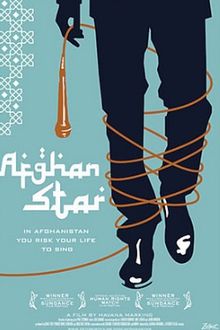 documentary about Afghan version of singing competition (a la American Idol).
 As reported, since 1979, the Afghan people have suffered foreign invasions, civil war and Taliban rule. During that time, music was considered disrespectful and sacrilegious by the ruling body (yup, Taliban). From 1996, it was a crime to dance, listen to music or even watch TV.
In 2001, the Islamic Republic of Afghanistan was formed. In 2004, the first elections were held. Restrictions on music and dancing were lifted. Afghan Star is the country's first televised talent competition. Its first inception was in 2005 and the show is still running as of this year. Despite continuing conflict, the TV station is searching the country for a new generation of music stars.
Male contestants outnumbered female contestants. Yet, the people support their favourite stars regardless of ethnic.
The documentary features four contestants journey throughout the competition - their glory, fame and persecution. One of the female contestant accidentally revealed her hair on stage. To make the issue worse, she even danced. This was a no no for the strict religious men in the country. She was despised and even received death threat.
It's a good piece of documentary though. Fellow countryman should appreciate the technology and democracy of this land.
Comments