Walking tour - Yangon

Having been to a walking tour before, I immediately agreed when Dr Michael suggested to take up the free walking tour in Yangon (www.freeyangonwalks.com). That was in year 2015 (my bad for posting this late). The tour was supposed to start at 5pm. But our tour guide was a bit late. Never mind, at least he turned up. Apparently, our guide was working in Yangon for quite some time. So his team members knew a bit of the historical places for the tour. Now he has moved to Australia and started the Old Sydney Walks (http://www.oldsydneywalks.com/#tour-highlights). The walking tour started at the park in front of the city hall, nearby Sule Pagoda (the site where monks demonstration was held few years ago, a.k.a Saffron Revolution). It was very lively and informative as we got to know the history, the reason for the establishment of certain buildings as well as the local political scenario. From this tour, I felt that some of the buildings deserved to be preserved due to their historical value. After all, Yangon (was known as Rangoon) was a trade center before Singapore. But God knows what will happen to these old buildings. Anyway, this is a highly recommended tour if you are in Yangon. Unfortunately, the tour has been suspended indefinitely due to no volunteers.
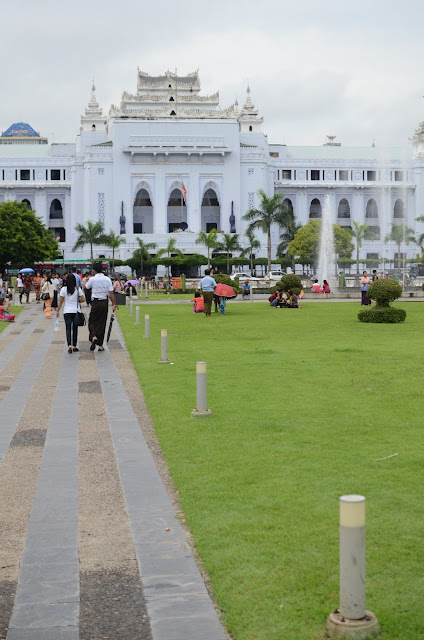
Around the park

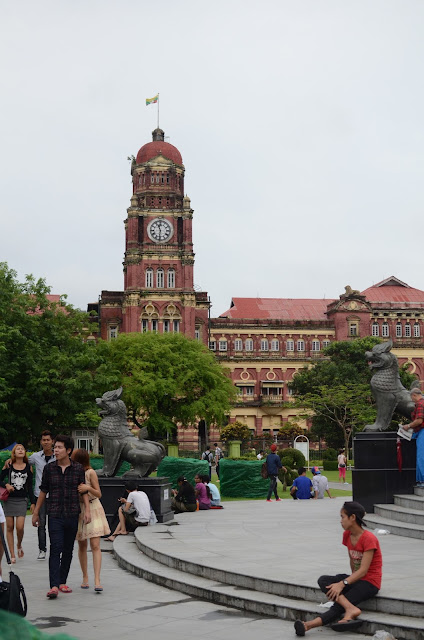
Around the park

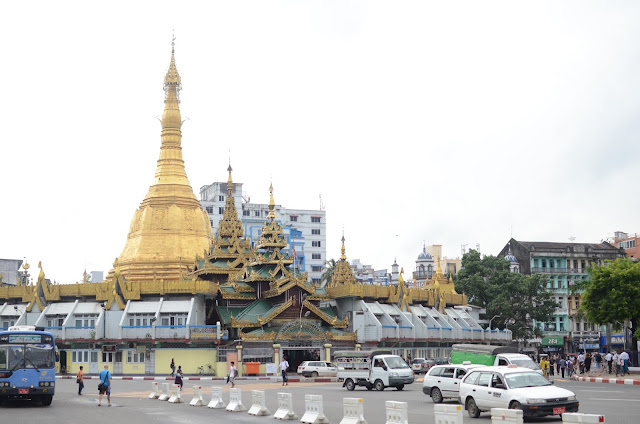
Sule Pagoda is nearby

Monument in the park

The walking tour guide, Gino

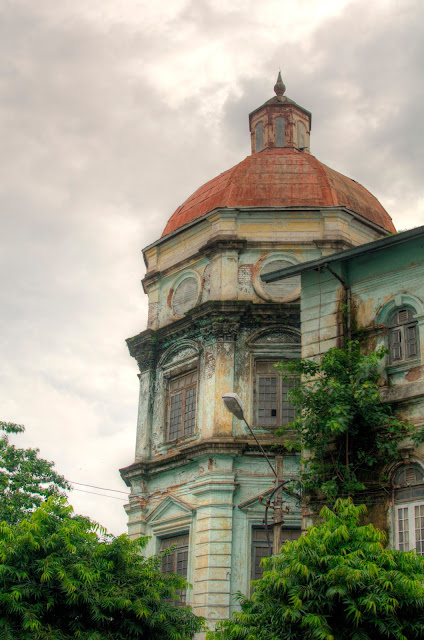
Old building along the street

Another old building. Not sure if it is being used now.

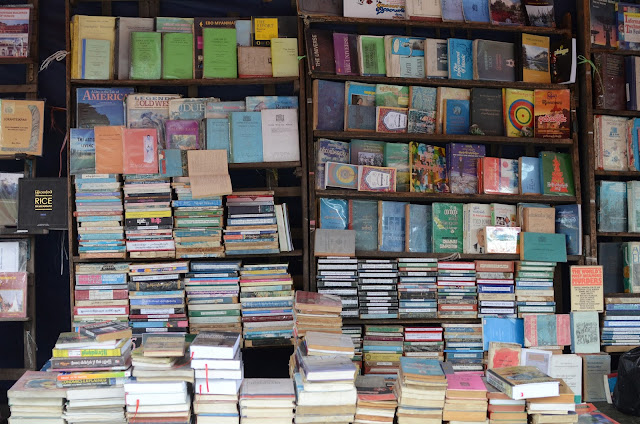
Street stall that sells old books. You can get books from the 60s and 70s. And those are academic books, which might be outdated at this current age.

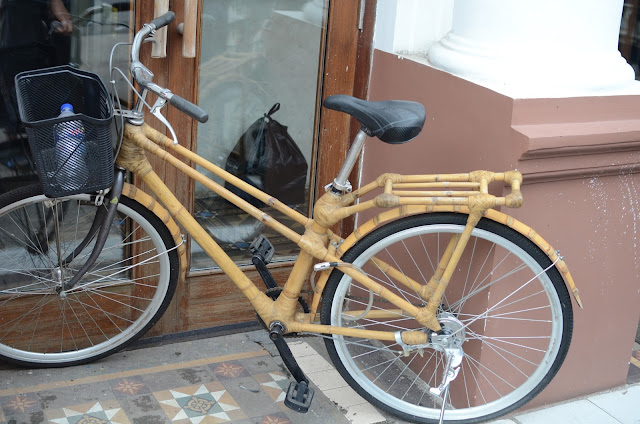
A bicycle made from rattan.


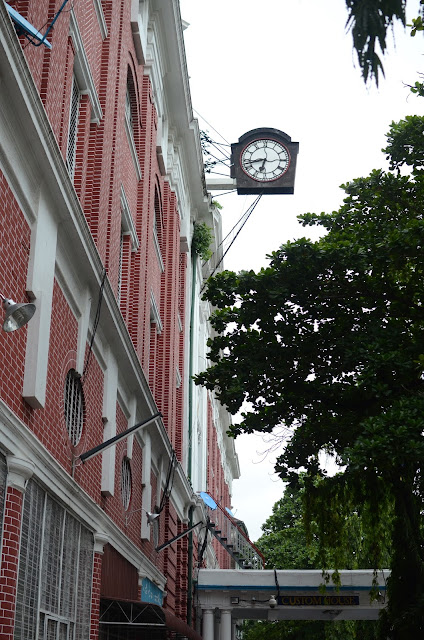
This old clock in the port authority building is still working.

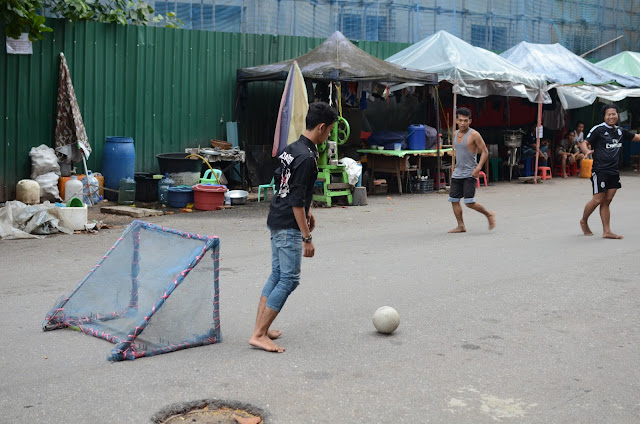
Locals playing street football.

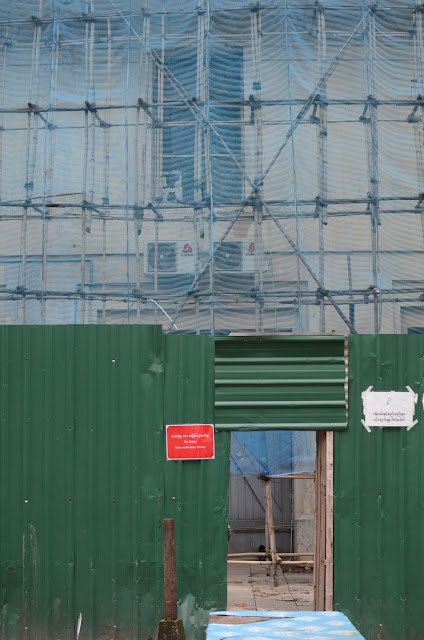
Some sites are under construction.

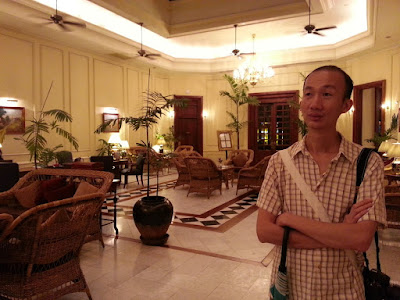
Inside Strand Hotel, another historical building.

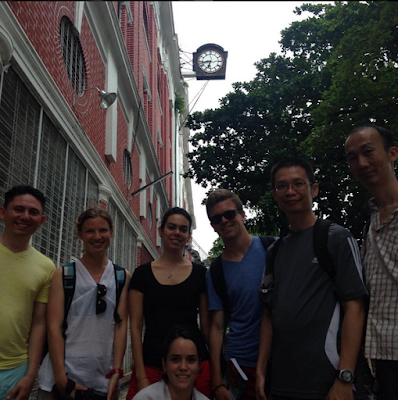
The group that took part the tour.

Comments

Popular posts from this blog

Last day in Sendai

After spending five days in Sendai, my visit here has finally come to an end. On my last day, I took a tour of the Kirin Beer Factory. I must say that the tour was quite informative—slightly better than the one I had at a beer factory in Malaysia. Visitors were able to touch, smell, and taste during the tour. We were served at least three different types of Kirin beer for tasting. Although the tour was short, it was uplifting. I had lunch at their restaurant, which was probably my most expensive meal during this trip to Sendai. In the afternoon, I took an Uber to Arahama Elementary School, which has now been turned into a museum. It is located on the eastern side of Sendai, an area that was hit by the tsunami following the earthquake on March 11, 2011. On that day, after the quake, the schoolchildren were evacuated to the rooftop of the building. About 27 hours later, they were all rescued. The school now exhibits the impact of the tsunami, the conditions on that day, and the aftermath...

Kumano Kodo - Day 2

After a good rest, I departed for Hosshimon-oji. The hotel provided free transit to the Hongu area, so I saved some time waiting for the bus. The plan for the day was a 7 km walk from Hosshimon-oji to Oyunohara. Since my next lodging was in the Yunomine Onsen area, I decided to add an extra walk from Oyunohara to Yunomine Onsen, which was about 2.2 km. At Hosshimon-oji, the trail is essentially a connecting route to the Takijiri trail. The previous stamping station was about 800 meters from Hosshimon-oji, so I made a detour to Inohana-oji. That detour added approximately 1.6 km to my journey, taking about 30 minutes or more. From Hosshimon-oji (after detouring via Inohana-oji), I started walking toward Hongu Taisha, which was about a 2.5-hour walk. Along the way, I stopped to rest and take photos. It was quite a leisurely walk. Part of the trail is paved, while the rest consists of forest paths lined with cypress trees (I guess). By the time I reached the town around Hongu Taisha, it w...

Kumano Kodo - Day 3

Based on the model itinerary on the Kumano Kodo official website, my trip was supposed to last until Day 4, with a visit to Nachi Falls and its surrounding area on that final day. However, due to some schedule changes with my friend, I needed to return to Osaka by 6 pm on the last day. So, after much thought, I decided to squeeze the Day 4 itinerary into the afternoon of Day 3. As it turned out, the route I took could actually be completed in three days. That meant I could leave for Osaka via an early train from Kii-Katsuura on Day 4. Let’s continue with Day 3. After breakfast, I boarded a bus heading to Shingu and got off at the Michi-no-Eki Kumanogawa bus stop, which is exactly the departure point for the traditional boat ride to Shingu. If river cruising isn’t your thing, you can simply stay on the bus until it reaches Shingu. Along the river, there are a few waterfalls. About halfway through the ride, we made a brief stop at a riverside spot with a white rock believed to be the rem...